
Estates
Estate Sale, Auction, Consignment, or Donation? How to Choose in Greenville
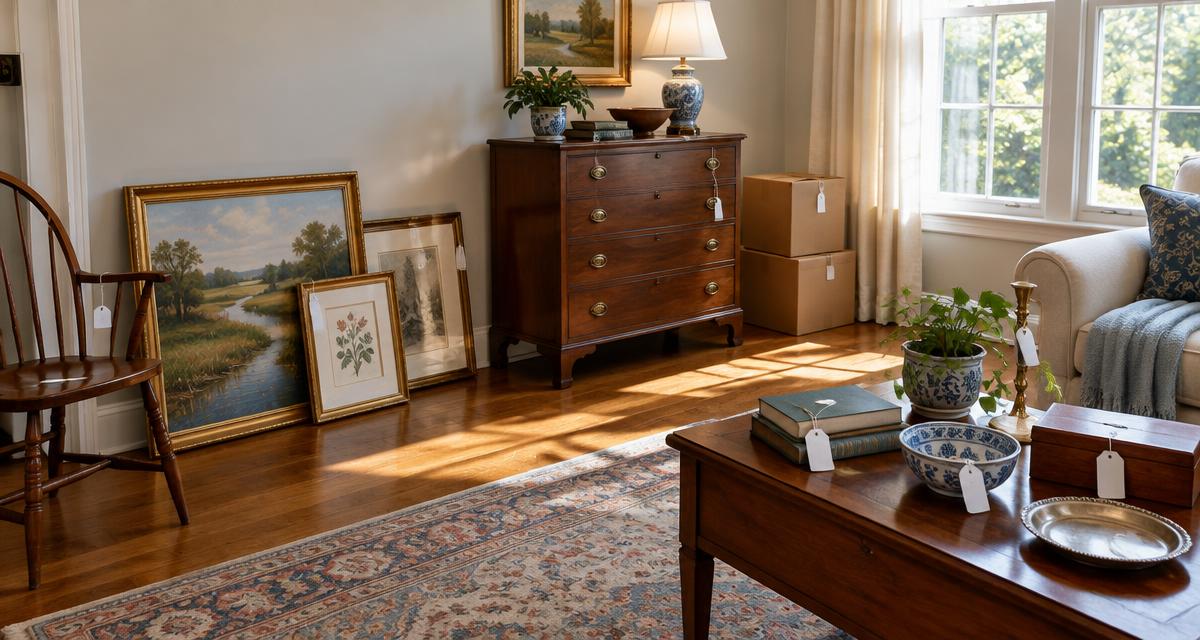
Estate sale, auction, consignment, or donation, at a glance
An estate sale can fit a full Greenville or Simpsonville home with a wide mix of sellable belongings, while an auction may suit specialty pieces and consignment may suit a few quality items without a tight deadline. Donation gives usable items a place to go when selling does not fit or after a sale. Choose around the contents, the deadline, and who can handle the work, and set family keepsakes aside first.
- Estate sales handle a wide mix of household belongings in one coordinated plan
- Auctions may fit specialty art, coins, or collections with dedicated buyers
- Consignment suits selected quality pieces and needs delivery and follow-up
- Donation depends on what each organization will accept
- A combined plan can include keepsakes, a sale, donation, and a final cleanout
Or email info@hawthornestateco.com
When a parent downsizes or passes, the question families ask us most is not "what is it worth?" It is "where should all of it go?" A full Greenville or Simpsonville home usually holds furniture, kitchenware, tools, collections, art, and decades of everyday things. There are four common paths for those belongings: an estate sale, an auction, consignment, and donation. Each one fits a different kind of house, timeline, and family.
This guide walks through how each option works, when it tends to make sense, and the questions to ask before you choose. Most households end up using more than one.
The short answer
- Estate sale: best when the home is full of a wide mix of sellable things and you want the house cleared in one coordinated effort.
- Auction: worth a look for a smaller number of specialty pieces, like certain art, coins, or serious collections that draw dedicated buyers.
- Consignment: fits a handful of quality pieces you are in no hurry to sell, usually furniture, decor, or clothing a shop is willing to take.
- Donation: the right home for usable items that are not worth the effort to sell, and for whatever is left after a sale.
Option 1: An estate sale in the home
An estate sale opens the home to buyers for a set number of days, with everything sorted, staged, and priced ahead of time. A company like ours handles the sorting, pricing, marketing, and running of the sale, and the family usually does not need to be there.
When it tends to fit:
- The house is still full, and most rooms hold things other people would buy.
- You want one plan that ends with the house cleared, not a dozen separate trips and listings.
- Family members have already taken what they want, or can do so before the sale.
- You live out of town or are worn out, and need someone else to carry the work.
What to keep in mind: an estate sale is paid for with a share of what the sale brings in, so ask how that works, in writing, before you sign anything. Ask for an itemized statement at the end so you can see what sold. If you want more detail on the day itself, see what estate sale day looks like with Hawthorn.
Option 2: An auction
Auction houses sell items to competing bidders, either in person, online, or both. Some pick up a full household. Many prefer select pieces.
When it tends to fit:
- You have a few specialty items that draw a dedicated pool of collectors.
- You are comfortable waiting for the auction calendar and for settlement afterward.
- The rest of the house is light, or will be handled another way.
What to keep in mind: ask how the auction house is paid, whether there are fees for photography, transport, or unsold items, and how long it takes for the family to receive payment. Results can swing based on who happens to be bidding that day. Auctions also usually leave the rest of the house untouched, so you still need a plan for everyday contents.
Option 3: Consignment
A consignment shop displays your items and pays you a share when they sell. Shops are selective, and they choose what they will accept based on what moves in their store.
When it tends to fit:
- You have a short list of quality furniture, decor, or clothing.
- There is no deadline on the house.
- Someone in the family can handle drop-off, pickup of unsold items, and follow-up.
What to keep in mind: ask how long items stay on the floor, whether prices are reduced over time, and what happens to anything that does not sell. Consignment works item by item, so it rarely clears a whole home.
Option 4: Donation
Donation gives usable items a second life with people and causes who need them, and it is the simplest path when time is short or the sale value is low.
When it tends to fit:
- The items are usable but not worth the time and effort to sell.
- The house has already had a sale, and what remains needs to leave.
- The family values knowing the belongings went somewhere helpful.
What to keep in mind: donation centers have their own rules about what they accept, and many will not take certain items like worn upholstered furniture or older electronics. Keep receipts if the family wants them for tax purposes, and ask your tax professional what applies to your situation.
Five questions that usually decide it
- How full is the house? A full home with a wide mix of things usually points to an estate sale. A mostly empty home with a few special pieces may point to auction or consignment.
- What is the deadline? If the house needs to be empty by a certain date, choose the option that clears the most in the least time, then donate the rest.
- Who is doing the work? Auctions and consignment still need someone to sort, deliver, and follow up. If no one in the family has the time or energy, an estate sale or full-service plan carries more of the load.
- Are there truly specialty items? For real specialty pieces, getting a second opinion before anything is sold is wise. We bring in specialists for art and jewelry when a piece calls for it.
- Has anything been thrown away yet? Please wait. Everyday things often sell better than people expect, and sorting is part of the job. Here is what to set aside before a whole house cleanout.
Most families combine them
In practice, the clearest plan for most Upstate homes looks like this: family takes keepsakes first, an estate sale handles the bulk of what can sell, any true specialty pieces go wherever they will do best, usable leftovers are donated, and a final cleanout leaves the house empty and broom clean. If you want to see how that last step works, read when the estate sale is over: where everything else goes.
We will also tell you honestly when an estate sale is not the right fit. When the house is small or the timeline is tight, a cleanout or a contents buyout may serve you better, and we will say so.
Frequently asked questions
Is an estate sale better than an auction?
Neither is better in every case. An estate sale usually fits a full house with a wide mix of things, because it sells and clears a lot at once. An auction can fit a small number of specialty pieces with dedicated collectors. Many families use both.
Can we hold an estate sale and still send a few pieces elsewhere?
Yes. Family keepsakes come out first, and any true specialty pieces can go wherever they will do best. The estate sale then handles the bulk of the household, and donation and a cleanout take care of the rest.
What if there is not enough in the house for an estate sale?
We will tell you honestly. When the house is small or the timeline is tight, a cleanout with donation, or a contents buyout, may fit better than a sale.
Do we need to be in town to decide?
No. Many families we work with live out of state. We can walk the home, share what we see, and keep you updated by phone, text, or email while the work gets done.
How do we get started?
Request a free, no-obligation walk-through. We look at the home with you, hear your timeline, and lay out the plan we would choose in your place.
How Hawthorn helps you choose
At a free walk-through, we look at the home with you, hear your timeline, and lay out which path we would take in your place, room by room if needed. Hawthorn Estate Co. is family owned, based in Simpsonville, and bonded and insured. We run estate sales in Greenville and Simpsonville, handle downsizing and settling an estate, and serve Five Forks, Mauldin, Fountain Inn, and Greer too.
You do not need to have it figured out before you call. Request a free consultation, call or text (864) 209-1584, or email info@hawthornestateco.com.
Start with a free consultation
Tell us a little about your situation and we will set up a free, no-obligation consultation.
Or call or text (864) 209-1584 or email info@hawthornestateco.com
Learn more: Estate sales in Greenville, SC