
Cleanouts
What to Set Aside Before a Whole House Cleanout in Greenville
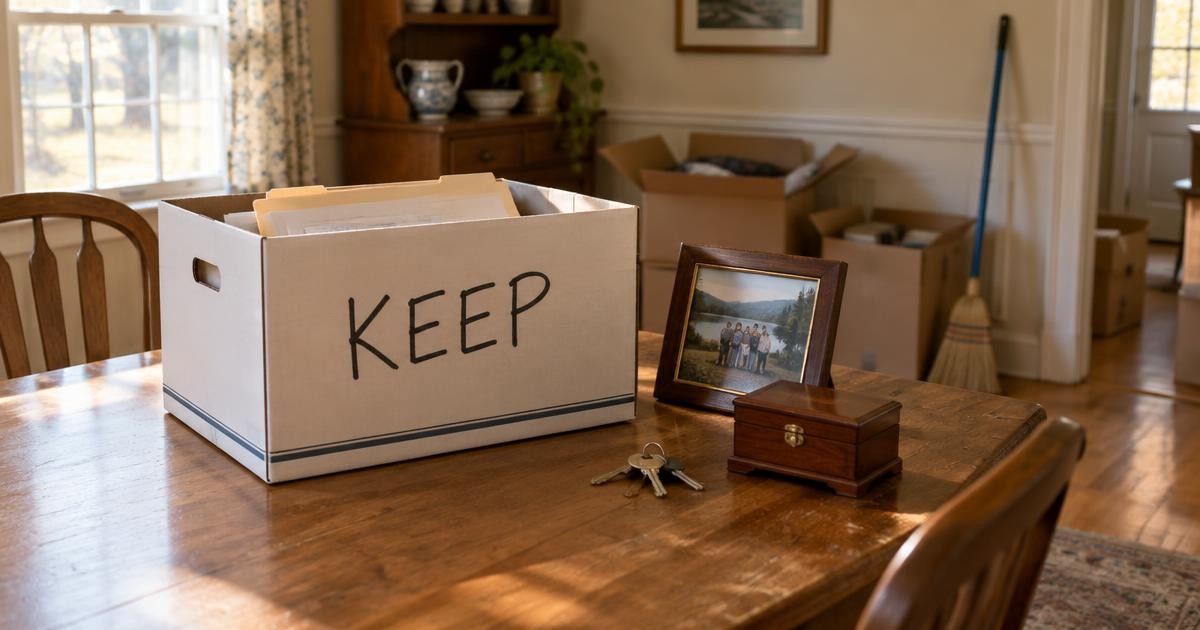
What to set aside before a cleanout, at a glance
Before a whole house cleanout, pick one clearly marked keep spot and gather important papers, keys and remotes, photos and keepsakes, jewelry, cash, and anything family members have asked about. Check pockets, books, freezers, and shoe boxes, where valuables often hide. Leave everything else in place so it can be checked for sale or donation, and keep the power and water on until the final walk-through.
- Choose one keep spot that stays off limits during the cleanout
- Gather wills, deeds, titles, insurance policies, statements, and tax records
- Set aside house keys, garage remotes, and any safe deposit box key
- Medications, firearms, chemicals, and private records need special handling
- Do not throw things away before the crew arrives, sorting is part of the job
Or email info@hawthornestateco.com
A whole house cleanout moves fast once it starts. Rooms that took decades to fill can be cleared in a short stretch of days, and that is exactly why a little preparation matters. One of the most common worries families have is simple: what if something important goes out with everything else?
The good news is that this is very preventable. Before any whole house cleanout in Greenville begins, there are a handful of things worth finding and setting aside. Here is the list we walk through with families, written so you can use it on your own or hand it to us.
Start with one "keep" spot
Pick one place in the house for everything that is staying with the family. A cleared kitchen table, a spare bedroom, or a few labeled boxes by the front door all work. Mark it clearly so anyone helping knows not to touch it.
Everything on this list goes to that spot. When the cleanout starts, the keep spot is the first thing we agree on, and it stays off limits until the family takes it home.
Important papers
Paperwork is the easiest thing to lose in a cleanout, because it is usually spread across drawers, closets, and boxes in the attic. Look for:
- Wills, trusts, and any letters of instruction
- Deeds, vehicle titles, and anything related to the house
- Life insurance policies, annuities, and retirement account statements
- Recent bank and investment statements
- Tax returns and the records behind them
- Recent bills, so accounts can be closed or transferred
- Birth, marriage, and military discharge papers
- Any list of passwords or account logins
If you are serving as executor, the estate attorney can tell you which documents they need and how long to keep them. You do not have to sort every page yourself. Gather anything that looks financial or legal into one box, and it can be reviewed later. We also wrote a guide for families who have been named executor of a parent's estate.
Keys, remotes, and the paperwork that goes with the house
Small things matter here. Set aside every house key, the garage door remotes, mailbox keys, and keys to sheds or outbuildings. Look for a safe deposit box key too, since it is often tucked in a drawer or jewelry box.
Leave appliance manuals and warranty papers for the house in a kitchen drawer or on the counter. Whoever lives in the home next will be glad to have them.
Photos, letters, and family keepsakes
Photo albums, loose prints, slides, home movies, letters, cards, and recipe boxes are often scattered all over a home. Check closet shelves, under beds, inside books, and in the attic. Old computers, phones, and memory cards may hold family photos as well, so set those aside before anything electronic leaves the house.
If more than one family member wants keepsakes, decide how you will divide them before the cleanout. Our post on dividing family keepsakes shares a few fair ways to do it.
Valuables that hide in plain sight
People tuck things away in places that make sense to them and no one else. Before a cleanout, it is worth checking:
- Coat and jacket pockets, purses, and handbags
- Inside books, Bibles, and between folded linens
- Freezers, cookie tins, and kitchen canisters
- Shoe boxes on closet shelves
- Under drawer liners and behind dresser drawers
- Tool boxes, tackle boxes, and workbench drawers
Jewelry, cash, coins, and important papers turn up in places like these. This is also why we ask families not to throw things away on their own before we arrive. Sorting is part of our job, and our crew checks pockets, drawers, and containers as we go. Anything personal we find goes to the keep spot.
Items that need special handling
A few things should not simply go in the trash:
- Medications: Old prescriptions should be disposed of safely. Many pharmacies and local take-back programs accept them.
- Firearms and ammunition: If there are any in the home, talk with the executor or estate attorney before anything is moved, and let us know at the consultation.
- Paint, chemicals, and batteries: These need proper disposal, not the curb. We handle them according to local rules.
- Personal records with private information: Old statements and records that are not needed should be shredded, not tossed.
What happens to everything else
Once the keep spot is full and the special items are handled, the rest of the house is ready. Here is the order we follow:
- Sale first when it makes sense. Furniture, tools, collectibles, and household goods often have value. An estate sale in Greenville can come before the cleanout.
- Donation next. Useful items that do not sell go to local charities so they can help someone else.
- Hauling last. What is left is removed, and the house is left broom clean.
We wrote more about this in when the estate sale is over: where everything else goes.
Keep the lights on until the end
It is tempting to shut off utilities right away, but a cleanout goes much better with power and water still on. Lights, outlets, and running water help the crew work safely and leave the house clean. Plan to close the utilities after the final walk-through. If the house will sit empty for a while after that, we can keep an eye on it with home care while it is for sale.
If you live far away
Many families who need a cleanout do not live nearby. If that is you, we can walk the house on a video call, agree on the keep list together, and keep what you want set aside until you can get it. You do not have to be in the room for every decision. See how we help families settling a parent's home from far away.
Frequently asked questions
What should I remove before a whole house cleanout?
Set aside important papers, keys and remotes, photos and keepsakes, jewelry, cash, and anything the family wants to keep. Put them in one clearly marked spot. Leave everything else in place so it can be checked for sale or donation value first.
Should I throw things away before the cleanout crew arrives?
No. Please leave everything in place. Things people almost throw out often turn out to have value, and family papers or valuables can be hidden in boxes that look like trash. Sorting the whole house is part of the job.
What if the crew finds something personal or valuable?
At Hawthorn, anything personal or valuable we find during the cleanout goes to the family's keep spot, and we let you know about it. You decide what happens to it.
How do I start a whole house cleanout in Greenville?
Start with a free consultation. We walk the house with you, in person or by video, agree on what stays and what goes, and build the plan around your timeline. You can reach us at info@hawthornestateco.com or (864) 209-1584, or use the form below.
Ready when you are
A cleanout is the last chapter of a house, and it deserves care. Hawthorn Estate Co. handles whole house and estate cleanouts in Greenville, Simpsonville, Five Forks, Mauldin, Fountain Inn, and Greer. If you are facing a full house and are not sure where to start, tell us a little about it below and we will help you make a plan.
Start with a free consultation
Tell us a little about your situation and we will set up a free, no-obligation consultation.
Or call or text (864) 209-1584 or email info@hawthornestateco.com
Learn more: Whole house cleanouts in Greenville, SC